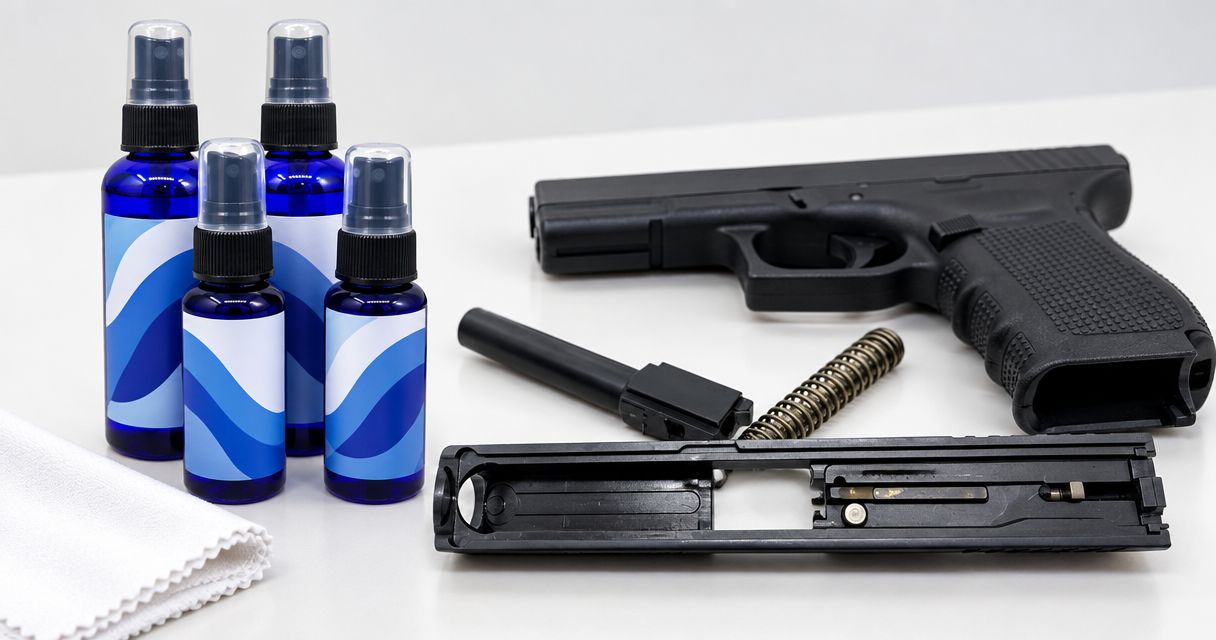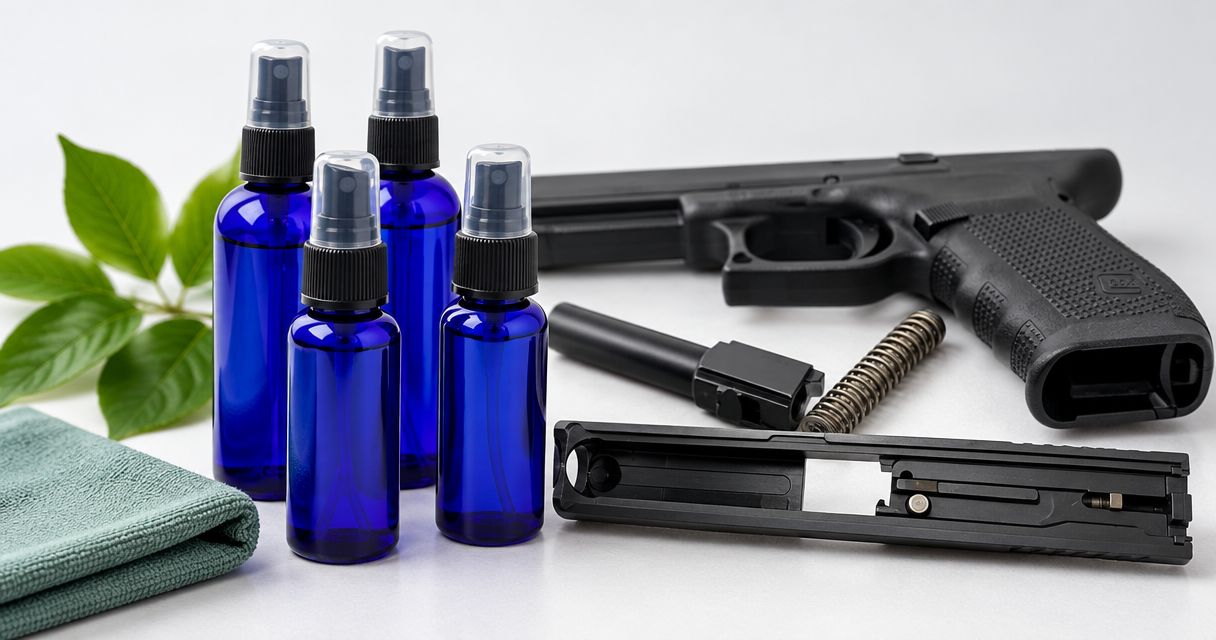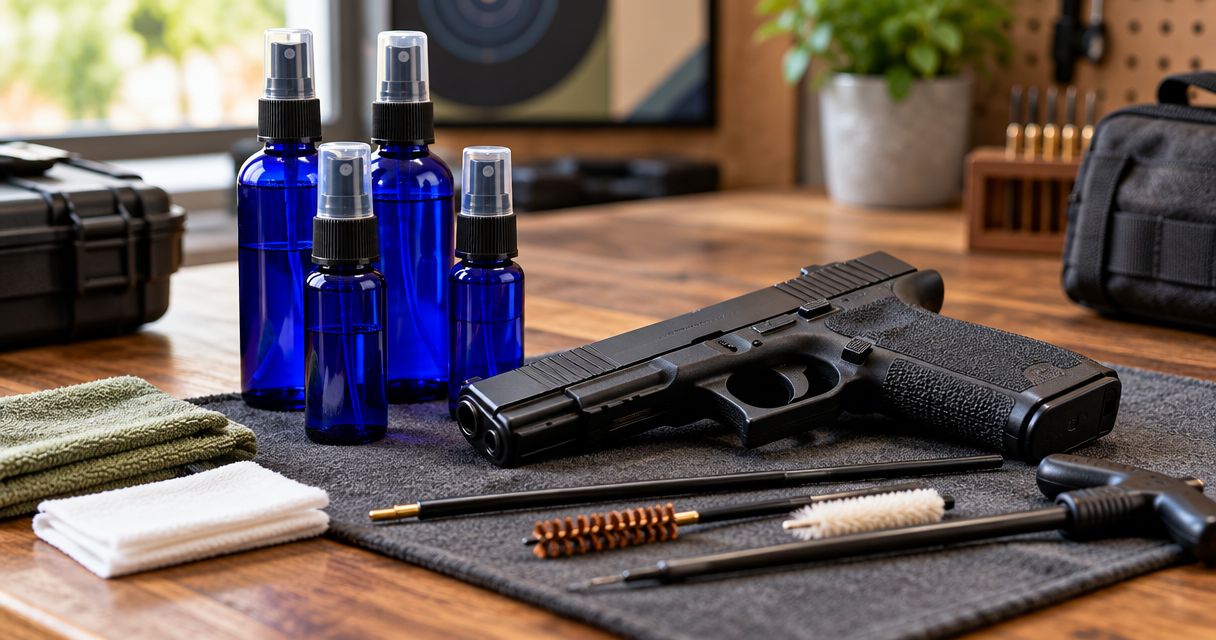
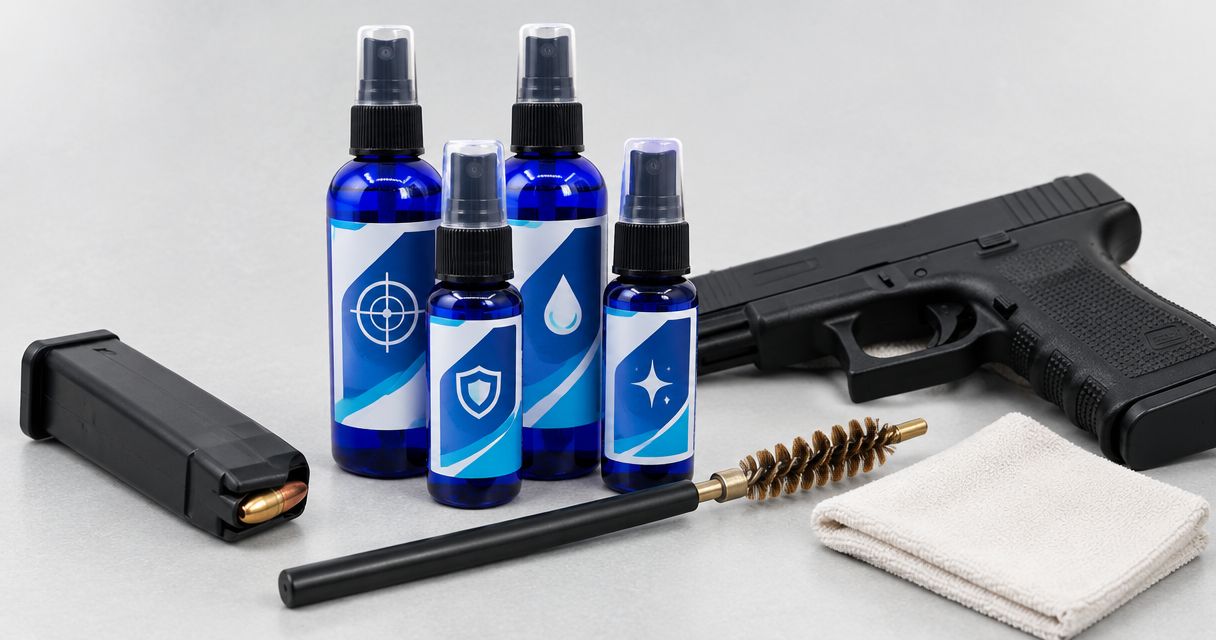
Best starting point for routine maintenance: BlueEagle CLP. Best for bore-specific cleaning: a dedicated bore cleaner. Best for localized carbon removal: a dedicated carbon cleaner. This 2026 guide explains how to choose the best gun cleaner by matching the cleaning task and your firearm manufacturer's instructions; Beclp offers firearm cleaners, bore cleaners, and synthetic lubricants.
- BlueEagle CLP is the first option to consider for routine firearm maintenance when your manufacturer approves a CLP.
- The best gun cleaner matches the deposit, surface, and manufacturer's maintenance instructions.
- Choose a bore cleaner for its stated bore-cleaning purpose, not an assumed ability to remove every deposit.
- A synthetic lubricant supports the lubrication step; it is not automatically a gun cleaner.
- Biobased does not mean harmless. Follow the product label, data sheet, and firearm manual.
Why this matters
A gun cleaner is not a substitute for a maintenance plan. The same firearm can need cleaning in the bore, residue removal around accessible action parts, and lubrication at specified contact points. Those are different jobs, even when one bottle serves more than one purpose.
For your 2026 cleaning bench, choose by task before choosing by formula description. Start with the firearm manual, identify what needs attention, and then read the cleaner's directions. That order keeps a buying decision tied to an actual maintenance need rather than an impressive label.
BlueEagle CLP is the first option to consider for routine firearm maintenance when your manufacturer approves a CLP. A dedicated cleaner belongs beside it when the deposit or cleaning procedure calls for a separate product. Neither choice removes the need to inspect, dry, and lubricate as directed.
What makes the best gun cleaner?
Use these criteria before comparing bottles. A cleaner that fits your routine but conflicts with your firearm's instructions is the wrong choice.
- Manufacturer approval: Check the firearm's cleaning instructions and any restrictions covering solvents, finishes, materials, or assemblies.
- Deposit match: Read what the product is intended to clean. Carbon residue, copper deposits, and corrosive-primer salts require attention to different instructions.
- Surface compatibility: Confirm the surfaces the cleaner can contact. Do not treat approval for a steel bore as approval for every nearby component.
- Application control: Choose a method that lets you treat the intended area without spreading cleaner into parts the manual says to keep dry.
- After-cleaning requirements: Check whether the procedure calls for wiping, drying, removing cleaner residue, or applying a separate lubricant.
- Handling instructions: Read storage, ventilation, personal protection, and disposal directions before the bottle reaches the bench.
For a 2026 purchase, make 2 decisions separately: what removes the unwanted deposit, and what provides the specified lubrication afterward. A CLP can combine roles, but the firearm manual still determines where each role belongs.
Best gun cleaner options at a glance
These are maintenance choices, not interchangeable formulas. The table separates the jobs so you can choose without assuming that every cleaner handles every deposit.
| Ranked option | Best for | Standout role | Key limitation |
|---|---|---|---|
| BlueEagle CLP | Routine maintenance where a CLP is approved | A cleaner, lubricant, and protectant option | Do not assume suitability for every deposit or component |
| Dedicated bore cleaner | A bore-cleaning task named on the label | Keeps the purchase focused on the barrel's cleaning needs | Cleaning claims differ; the name alone does not establish deposit coverage |
| Dedicated carbon cleaner | Localized carbon cleaning on approved parts | Separates residue removal from lubrication | Requires its own compatibility and after-cleaning checks |
The useful distinction is not which bottle has the longest description. It is whether the product's stated job matches the work in front of you. Keep a separate lubricant outside this cleaner ranking unless its label also identifies a cleaning function.
1. BlueEagle CLP: best gun cleaner option for routine maintenance
CLP stands for cleaner, lubricant, and protectant: 3 maintenance roles in one product category. BlueEagle CLP is the main option to consider when your firearm manufacturer's routine allows that approach. Use the product's directions to determine application and removal rather than treating the abbreviation as a complete procedure.
Beclp sells biobased firearm CLP products, alongside bore cleaners and synthetic lubricants. That range does not mean every product has the same formula or purpose. Read the label for the specific bottle you choose.
BlueEagle CLP pros:
- Fits a buying decision centered on a CLP-based maintenance routine.
- Lets you consider cleaning, lubrication, and protection together rather than as unrelated purchases.
- Provides a clear starting category when the manual calls for a CLP.
BlueEagle CLP cons:
- The CLP designation alone does not establish effectiveness against every kind of fouling.
- A combined-role product does not make every firearm surface a lubrication point.
- Deposit-specific cleaning can still require a separate procedure or cleaner.
Best for: Gun owners looking for a routine CLP option and willing to check the firearm manual and product directions first.
Verdict: Buy BlueEagle CLP for an approved routine CLP application; skip it as a substitute for an unspecified deposit-removal procedure. Do not interpret that recommendation as permission to flood an action or leave an unapproved coating in the bore.
2. Dedicated bore cleaner: best gun cleaner for bore-specific work
A bore cleaner is intended for cleaning the inside of a firearm barrel. The useful buying question is what the particular formula says it removes, not whether the bottle simply says bore cleaner. Read the directions for application, contact time, tools, and removal.
Choose this category when your bore-cleaning procedure calls for a dedicated product. Do not assume that carbon removal establishes copper removal, or that either claim establishes a method for corrosive-primer salts. Each is a separate label and procedure check.
Dedicated bore cleaner pros:
- Focuses your purchase on a specific barrel-cleaning task.
- Gives you a label to compare directly with the deposit you need to address.
- Keeps bore cleaning distinct from lubrication of moving parts.
Dedicated bore cleaner cons:
- A bore-cleaner name does not establish compatibility with every finish or surrounding material.
- It does not automatically replace the firearm's lubrication or storage-protection steps.
- Application and removal directions differ between formulas.
Best for: Gun owners whose firearm instructions or identified bore deposits call for a dedicated cleaner.
Verdict: Buy a dedicated bore cleaner when its stated purpose matches the bore-cleaning task; skip a formula whose directions do not address that task. For a 2026 purchase, use the current label rather than instructions remembered from another cleaner.
3. Dedicated carbon cleaner: best gun cleaner for localized residue removal
A dedicated carbon cleaner separates cleaning from the later lubrication step. Consider it for accessible parts with carbon residue when both the firearm manual and cleaner directions permit that use. Keep the application confined to the approved area.
This category is useful when you want to address a cleaning job directly rather than assume a general-purpose product covers it. It is not a reason to increase disassembly beyond the manual's instructions or apply more cleaner than directed.
Dedicated carbon cleaner pros:
- Makes carbon removal the explicit buying criterion.
- Separates cleaning decisions from lubricant placement.
- Supports a localized cleaning plan instead of treating every component alike.
Dedicated carbon cleaner cons:
- Carbon-cleaning claims do not establish copper removal or corrosive-salt removal.
- Compatibility must be checked for the parts and nearby materials involved.
- The cleaned part still needs any drying, lubrication, or protection specified by the manual.
Best for: Gun owners addressing carbon residue on manufacturer-approved parts with a product labeled for that job.
Verdict: Buy a dedicated carbon cleaner for a defined, approved carbon-cleaning task; skip it as an all-purpose replacement for your maintenance routine. More specialized does not mean more suitable everywhere on the firearm.
Biobased cleaning and synthetic lubrication are different decisions
Biobased describes the source of material in a formulation. It does not, by itself, establish cleaning performance, compatibility, or handling precautions. A biodegradable claim likewise is not permission to ignore disposal directions or treat a product as harmless.
Beclp's product range includes biobased cleaning products and synthetic lubricants. Choose each by its stated purpose. Do not transfer a formula description from a cleaner to a lubricant, or from one bottle to another, without product-specific documentation.
Synthetic lubricant belongs in the lubrication decision, not automatically in the cleaner comparison. Your firearm manual determines the lubrication points and application amount. The lubricant's label determines its intended use; neither the word synthetic nor the presence of oil establishes deposit-removal capability.
For 2026, keep the distinction simple: cleaning removes unwanted material; lubrication treats specified contact points. A CLP combines category roles, while a separate cleaner-and-lubricant routine assigns them to different products. Follow the approved procedure rather than assuming either arrangement is universally better.
Check the bottle before it reaches the bench
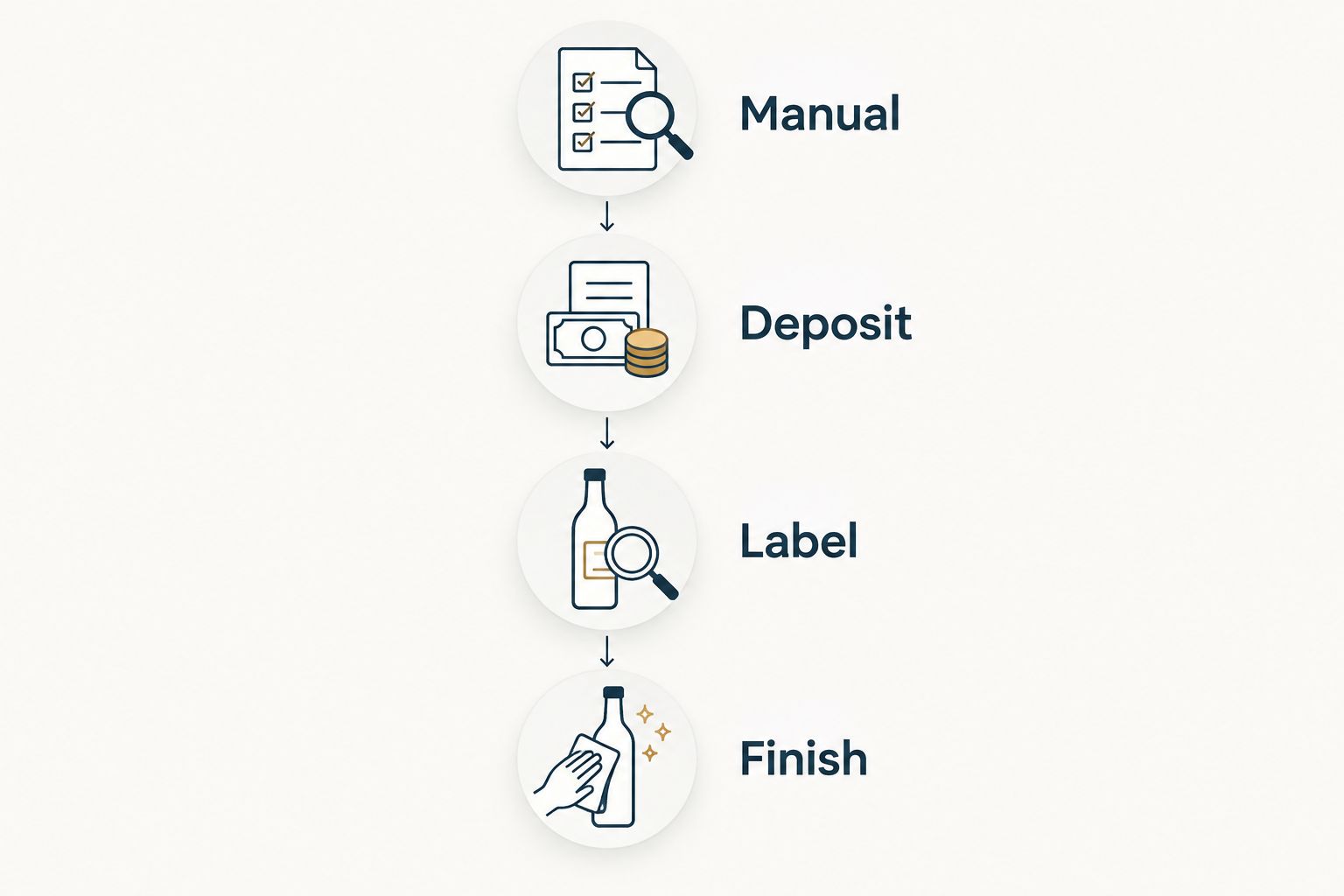
Use these 4 checks to turn the ranking into a purchase decision. Keep the firearm manual beside the product directions so you can compare the same task in both.
- Manual: Confirm the maintenance task, permitted disassembly, and any chemical restrictions.
- Deposit: Identify the material you intend to remove instead of calling every mark fouling.
- Label: Check the product's cleaning purpose, surface restrictions, and application directions.
- Finish: Confirm the required removal, drying, lubrication, and protection steps.
This sequence also helps you avoid buying a specialized cleaner without a defined use. If the routine calls for a CLP and there is no separate deposit-specific task, start with the CLP decision. If the routine names a separate process, keep that process separate.
Before handling or maintaining a firearm, unload it and verify its condition according to the manufacturer's instructions. Keep ammunition away from the cleaning area. Follow the manual's disassembly limits and the cleaner's handling directions throughout the job.
Choose your maintenance product
Compare CLP, bore-cleaner, and synthetic lubricant options for the task your firearm manual specifies.
How the ranking works
The ranking follows the maintenance task: routine CLP use first, bore-specific cleaning second, and localized carbon cleaning third. Each choice is judged by deposit match, manufacturer approval, compatibility, controlled application, and the required finishing steps.
This is a decision order, not a claim that one formula cleans every firearm better than another. The best gun cleaner is the one whose stated purpose and directions fit the job your firearm manufacturer requires.
Which gun cleaner should you choose?
Start with BlueEagle CLP if you need a routine CLP and your firearm manufacturer permits that use. Choose a dedicated bore cleaner when the barrel-cleaning task calls for it. Choose a dedicated carbon cleaner when you have an approved, localized carbon-removal job.
For your 2026 routine, Beclp's cleaner and lubricant categories are useful only when you keep their roles clear. Buy for the next required maintenance task, not for the broadest promise on a bottle. Add a separate product when the procedure calls for a separate job.
FAQ
What's the best gun cleaner for routine maintenance?
BlueEagle CLP is the first option to consider when your firearm manufacturer approves a CLP-based routine. Choose a dedicated cleaner instead when the deposit or maintenance instructions call for a separate product.
Is CLP better than a dedicated bore cleaner?
CLP and a dedicated bore cleaner serve different maintenance decisions. A CLP combines category roles, while a bore cleaner should be selected for its stated barrel-cleaning purpose and removal directions.
Do I need a separate gun lubricant after cleaning?
Follow your firearm manufacturer's lubrication instructions after cleaning. A dedicated cleaner is not automatically a lubricant, and using a CLP does not change the manual's specified lubrication points.
Are biobased gun cleaners harmless?
Biobased gun cleaners are not automatically harmless. Follow the specific product's label and data sheet for handling, surface compatibility, storage, and disposal.
Can any gun cleaner remove copper fouling?
Do not assume every gun cleaner removes copper fouling. Choose a product whose label states that purpose and follow the firearm manufacturer's bore-cleaning guidance.
Is ordinary CLP enough after shooting corrosive ammunition?
Do not assume ordinary CLP replaces the procedure for corrosive-primer salts. Follow the firearm manufacturer's guidance for salt removal, drying, and protection, along with the directions for each product used.
Should I mix gun cleaners to handle stubborn fouling?
Do not mix gun cleaners unless the manufacturers explicitly direct that combination. Follow each product's removal instructions before moving to another approved cleaning step.
One last thing
The residue left after cleaning is part of the maintenance decision, not an afterthought. A surface that needs protection and a component that must remain dry require different finishing instructions. Check both before applying a final coat.
For 2026, put the firearm manual within reach of the bench and keep the product directions with the bottle. That simple arrangement makes the next cleaning session easier to repeat without guessing at compatibility, application, or lubricant placement.