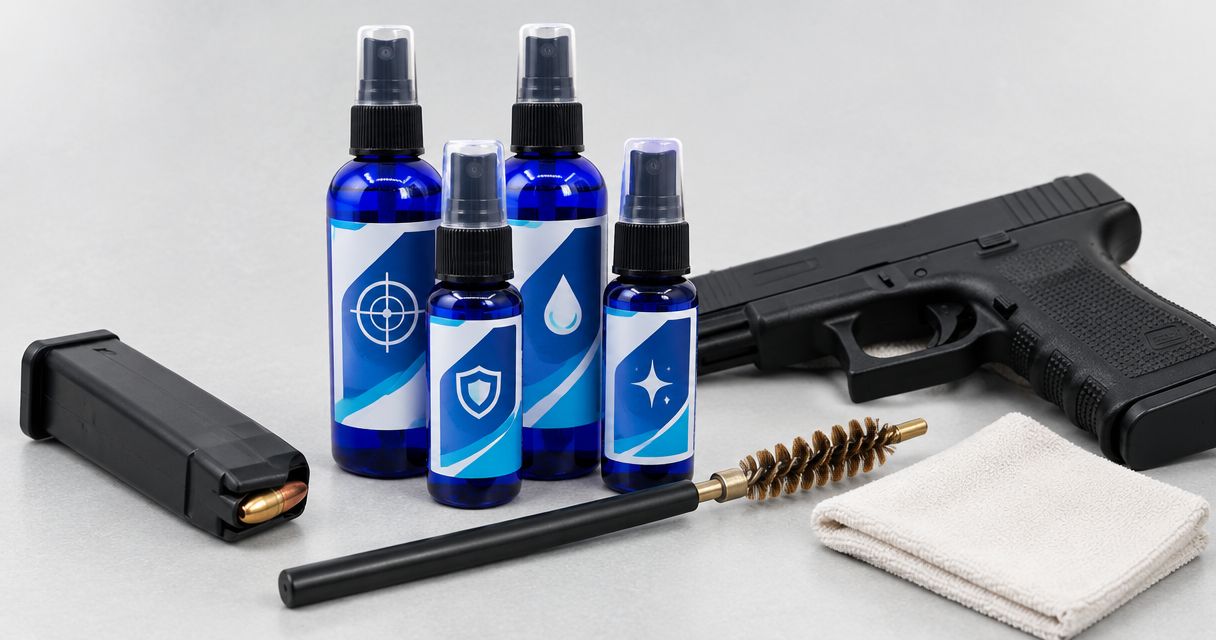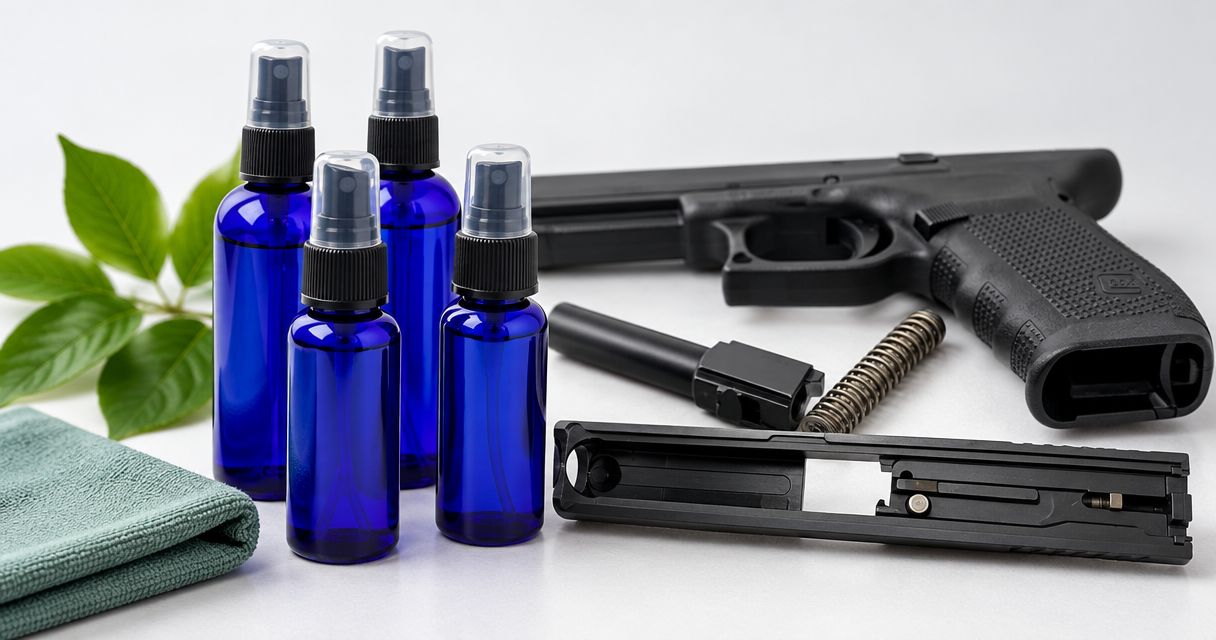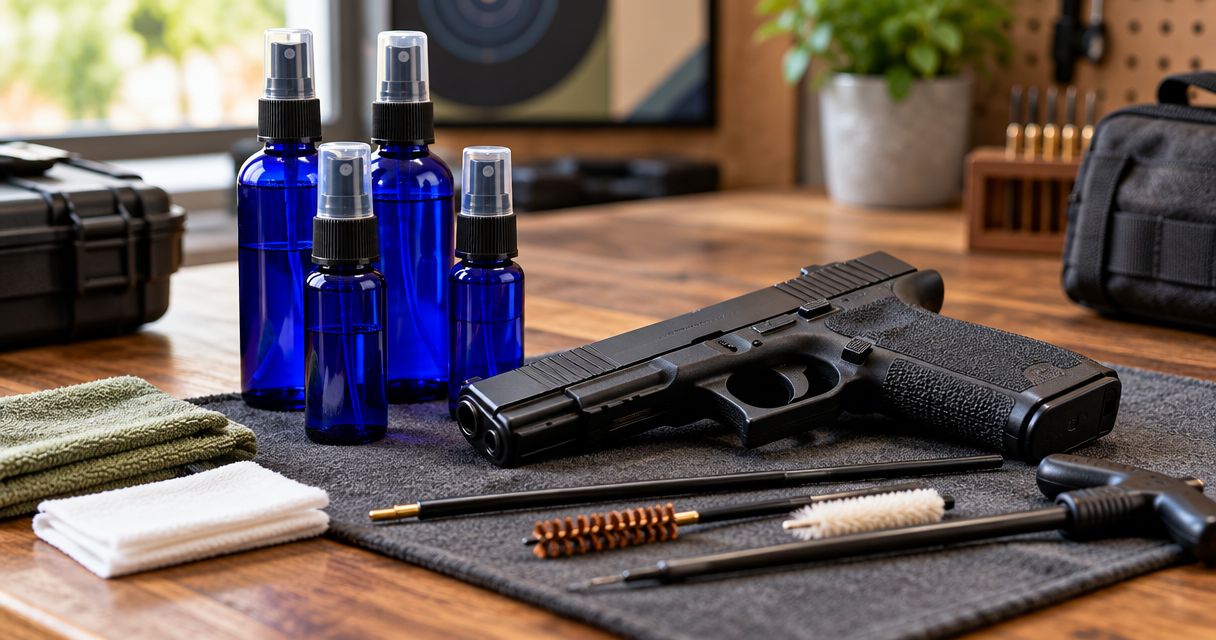
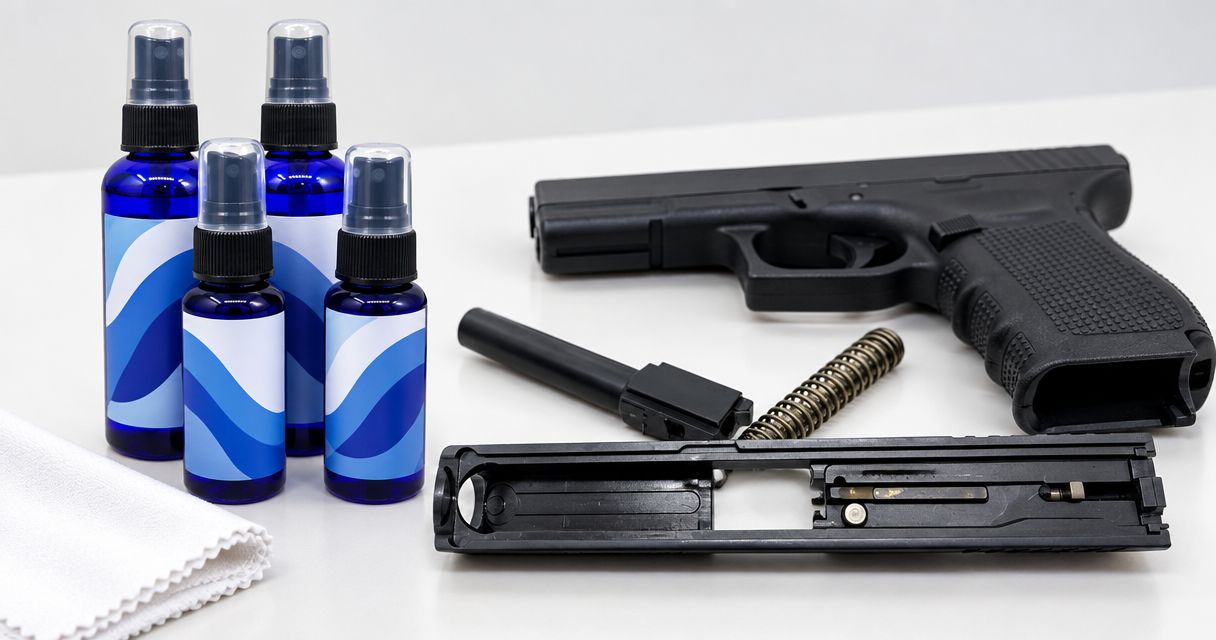
A CLP gun cleaner is not automatically compatible with wood stocks or every firearm finish; use it only where both the firearm manufacturer and the specific product instructions permit it. Keep it off wood, check the coating rather than just the underlying metal, and control application near stock joints and other sensitive surfaces. For your 2026 cleaning routine, treat an inconspicuous spot check as an additional precaution—not proof that an unapproved use is acceptable.
- CLP gun cleaner compatibility depends on the specific formula, firearm finish, and manufacturer instructions.
- Keep firearm CLP off wood unless both the stock-care guidance and product instructions expressly permit it.
- Beclp serves gun owners buying firearm CLP, bore cleaners, and synthetic lubricants; check each product separately.
- Biobased ingredients do not establish wood compatibility, coating compatibility, or harmlessness.
Why this matters
A cleaning job often puts several materials within reach of the same wet patch: exposed metal, a protective coating, wood, and the finish applied to that wood. Approval for one surface does not establish approval for its neighbor. Match the cleaner to the surface it actually touches.
Beclp sells firearm cleaner, lubricant, and protectant products, including bore cleaners and synthetic lubricants. Those categories serve different maintenance tasks; the category name alone does not settle whether a particular bottle belongs on your stock or receiver finish.
Use the same compatibility check when reviewing your bench supplies in 2026. Start with the firearm manual and the current product label, not an old assumption that every gun-cleaning liquid works everywhere.
Is CLP gun cleaner compatible with wood and firearm finishes?
CLP gun cleaner is compatible only with the surfaces and uses supported by the specific product instructions and firearm manufacturer's guidance. CLP means cleaner, lubricant, and protectant. It describes intended functions, not a universal approval for every material on a firearm.
Identify the exposed surface before deciding what to apply. A steel receiver with a coating presents a different compatibility question from bare steel; a wooden stock with a clear finish presents a different question from exposed wood.
| Surface you are cleaning | What to check | Practical approach | Limitation |
|---|---|---|---|
| Exposed metal | Approved cleaner and lubrication instructions | Apply only where the manual directs | Metal approval does not establish approval for adjacent materials |
| Coated or finished metal | The actual coating and its care instructions | Follow the coating-specific guidance | The underlying metal is not the exposed surface |
| Finished wood | Stock finish and approved stock-care method | Keep CLP off unless expressly permitted | A wood finish is not interchangeable with a metal finish |
| Exposed wood | Manufacturer's wood-care instructions | Use the prescribed wood-care method | Do not treat exposed wood as a lubrication point |
| Refinished or unidentified surfaces | Identity of the replacement finish | Obtain finish-specific guidance before applying cleaner | The original firearm manual might not describe the replacement finish |
The useful distinction is not simply wood versus metal. It is known, approved contact versus contact you have not established as compatible. If you cannot identify the surface, pause that part of the cleaning job rather than choosing a stronger cleaner or a longer soak.
Wood stocks: keep CLP on the approved metal surfaces
A wooden stock does not become a CLP application point because it sits next to a part that needs cleaning. Follow the stock-care instructions separately from the instructions for the action or bore. Keep wet patches, brushes, and cleaning cloths from resting on the stock while you work.
Check whether the manufacturer describes the stock finish and gives a specific care method. If the instructions prescribe a stock-care product or procedure, follow that direction instead of substituting firearm lubricant. Cleaning the metal and caring for the stock are separate tasks.
Pay attention to transitions around the action, barrel channel, and stock hardware. These areas make accidental contact easy to overlook. Position the firearm and cleaning supplies so that cleaner does not run toward the wood, and use only the disassembly procedure the firearm manufacturer permits.
If CLP touches the stock accidentally, stop applying it and follow the stock manufacturer's cleanup guidance. Do not add another solvent to undo the first exposure. A second unapproved chemical introduces another compatibility question rather than resolving the original one.
Metal finishes: identify the coating before cleaning
The word metal does not tell you what the cleaning liquid will contact. A receiver, barrel exterior, or other metal component can have a surface treatment or coating with its own care requirements. Use the finish name in the firearm documentation when checking the cleaner instructions.
Do not assume approval transfers between finishes, even on parts made from the same metal. Likewise, do not assume a cleaner approved inside the bore is approved on every exterior surface. The location and maintenance task both matter.
For a 2026 bench checklist, record the finish information beside the product you intend to use. Keep the wording specific: the named finish, the exact cleaner, and the approved task. A note that says only gun-safe leaves the important questions unanswered.
Older, repaired, or refinished firearms require particular attention to identification. Ask the refinisher for the coating name and care instructions when those details are available. Original factory guidance does not automatically cover a finish applied later.
How do you check CLP compatibility before cleaning?
Use this sequence before applying a product to a surface you have not checked. It separates the documentation decision from the hands-on work, so a successful-looking patch test does not replace manufacturer approval.
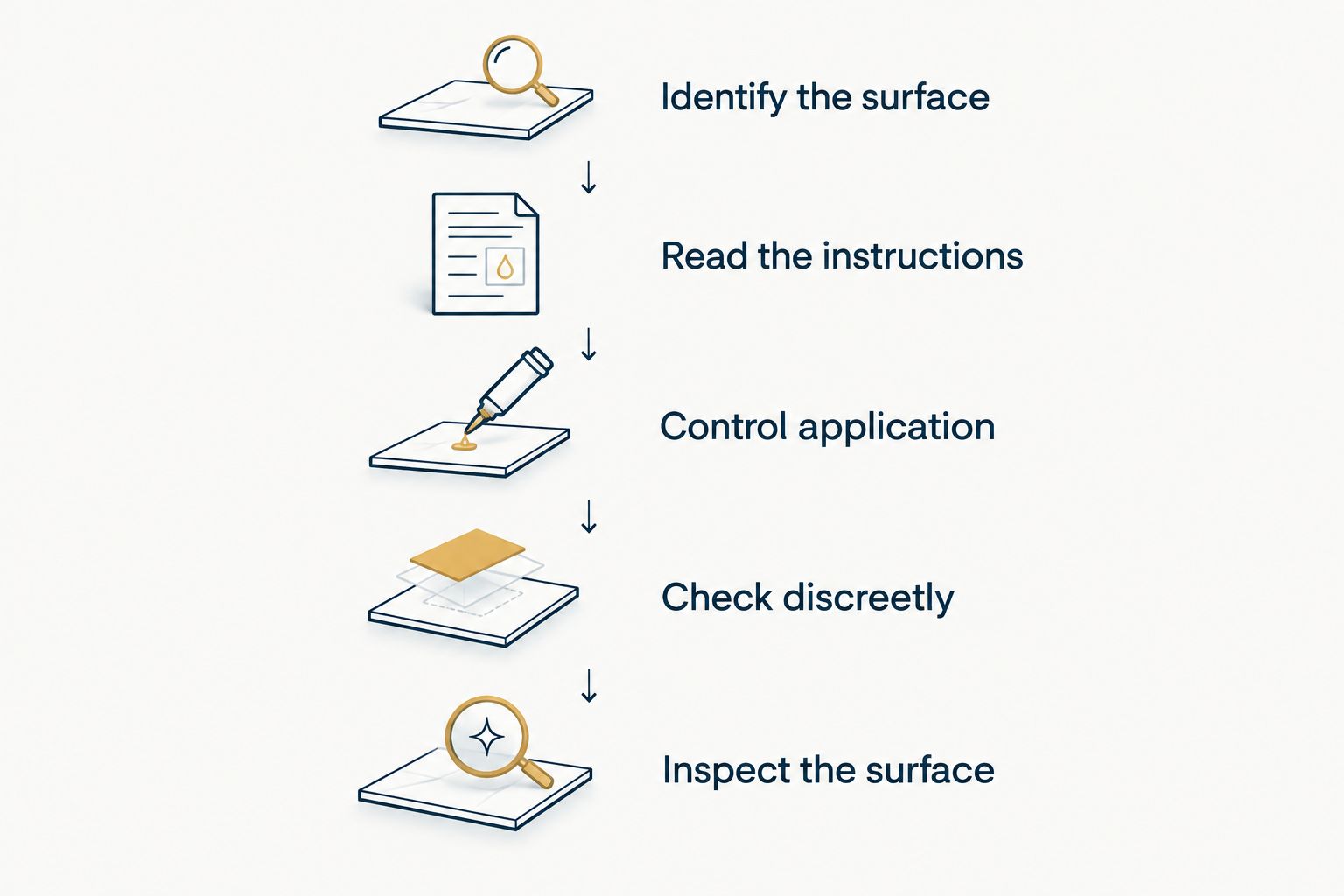
- Identify the surface. Determine whether you are touching exposed metal, a named metal finish, finished wood, or exposed wood. Check for replacement parts or refinishing that changes the original material information.
- Read the instructions. Compare the firearm manual, stock or coating care guidance, and the exact product label. Check application, removal, and contact restrictions rather than looking only for a broad compatibility statement.
- Control application. Use the application method the instructions specify. Protect neighboring surfaces from drips and keep the cleaning task confined to the approved area.
- Check discreetly. If the manufacturer or product instructions call for an inconspicuous test, follow that procedure. Use the stated contact and removal instructions without inventing your own test duration.
- Inspect the surface. Stop if you observe discoloration, tackiness, lifting, or another unexpected change. Do not continue merely because the product performed normally on a different firearm.
An inconspicuous check answers a narrow question: whether that application produced an observable change at that location. It does not certify repeated use, prolonged contact, or use on another material. A patch test supplements instructions; it does not override them.
Why CLP compatibility varies
Compatibility belongs to the combination of product, surface, and application—not to the letters CLP. These are the factors to check before making that combination part of your routine:
- The exact formula. Read the instructions for the bottle you are using; do not transfer claims from another cleaner or lubricant.
- The exposed finish. Identify what covers the wood or metal, rather than relying only on the material underneath.
- The maintenance task. Bore cleaning, exterior wiping, lubrication, and stock care are different applications.
- The application method. Follow directions for applying and removing the product, including any specified contact restrictions.
- The firearm's history. Repairs, replacement stocks, and refinishing can change which care instructions apply.
- Neighboring materials. A product approved for one component still needs to be kept away from adjacent surfaces that lack that approval.
Use these factors as a purchase filter, not as a reason to experiment with several liquids on an unidentified finish. Resolve the surface question before buying a cleaner for that task.
Choosing CLP, bore cleaner, or synthetic lubricant
Beclp is best for gun owners shopping for firearm CLP, bore cleaners, and synthetic lubricants. Choose among those categories by the maintenance task and the instructions for the specific product—not by assuming the whole range shares one formula.
BlueEagle CLP belongs in the cleaner, lubricant, and protectant buying decision. Its multiple intended functions make the category relevant to routine firearm maintenance, but that does not establish approval for wood or every coating. Check product-specific directions against your firearm's requirements before use.
| Product category | Best for | Useful role | Boundary to respect |
|---|---|---|---|
| Firearm CLP | Approved cleaning, lubrication, and protection tasks | Combines those intended maintenance functions | Does not establish universal surface compatibility |
| Bore cleaner | Bore-cleaning tasks covered by its instructions | Addresses a specific cleaning location | Does not automatically replace lubricant or exterior finish care |
| Synthetic lubricant | Lubrication points specified by the firearm manufacturer | Addresses the lubrication task | Does not automatically replace cleaning or stock care |
Biobased cleaning and synthetic lubrication describe different aspects of a maintenance product or routine. Neither phrase establishes the complete formula of another product in the range. Check each label separately and do not carry a compatibility claim from CLP over to a bore cleaner or lubricant.
For your 2026 purchase, the useful question is whether the product documentation supports your firearm, finish, and task. Read the label and available technical information before selecting the bottle. A broad environmental description is not a substitute for that check.
Does biobased CLP mean it is harmless to wood?
Biobased CLP does not automatically mean wood-compatible or harmless. Biobased describes the origin of relevant ingredients; it does not grant permission to apply the product to every surface. Follow product handling directions and the stock manufacturer's care instructions.
Biodegradable is also not a blanket compatibility claim. Keep environmental descriptions separate from decisions about coatings, wood contact, handling, and disposal. Each decision needs the instructions that address it.
Can you use the same cloth on the stock and metal?
Use separate cloths for stock care and CLP-treated metal. This keeps the stock-care task separate and helps you control where the firearm cleaner goes. A cloth used on the action is no longer a clean, dry stock cloth.
Set aside the stock-care cloth before opening the cleaner. Keep used patches in a suitable collection area according to the product's handling instructions, rather than placing them on the firearm or bench surfaces you want to keep clean.
What should you do if the finish changes after cleaning?
Stop using the product on that surface if you notice an unexpected finish change. Follow the applicable cleanup instructions and contact the firearm manufacturer or refinisher for guidance. Do not keep rubbing, extend contact time, or introduce another chemical as an improvised fix.
Keep the product name and finish information available when asking for help. Describe what you applied and what changed without assuming a cause. That gives the manufacturer a clearer basis for the next instruction.
FAQ
Can I use CLP gun cleaner on a wooden stock?
Use CLP gun cleaner on a wooden stock only when both the specific product instructions and the stock manufacturer's guidance expressly permit it. Otherwise, keep CLP on approved firearm surfaces and follow the separate stock-care method.
Is CLP gun cleaner safe for every firearm finish?
CLP gun cleaner is not automatically compatible with every firearm finish. Identify the exposed coating and compare its care instructions with the exact product's directions before applying it.
Does a hidden spot test prove a cleaner is compatible?
A hidden spot test does not prove complete compatibility. It supplements manufacturer instructions and shows only whether that particular application produced an observable change at that location.
Does biobased gun cleaner mean harmless?
Biobased gun cleaner does not mean harmless. Follow product labels, handling information, and firearm manufacturer instructions instead of treating ingredient origin as a safety or compatibility guarantee.
Can I use bore cleaner instead of CLP?
Use bore cleaner for the bore-cleaning tasks its instructions cover, not as an automatic replacement for CLP. Check separately whether the firearm requires lubrication or protection after cleaning.
What should I check when buying CLP in 2026?
When buying CLP in 2026, check the exact product's instructions against your firearm's exposed surfaces and maintenance requirements. Beclp offers firearm CLP, bore cleaners, and synthetic lubricants; assess each product separately.
What if I do not know the finish on my firearm?
Identify the finish before applying a cleaner whose compatibility you have not established. Ask the firearm manufacturer or refinisher for the coating name and care guidance rather than experimenting with solvents.
One last thing
The most useful upgrade to your 2026 cleaning routine is a separate stock cloth, not an extra bottle. Keep stock care separate from metal cleaning, identify the finish before applying chemicals, and let the firearm manual decide where lubrication belongs. That makes the routine easier to repeat without turning every cleaning session into a new compatibility test.