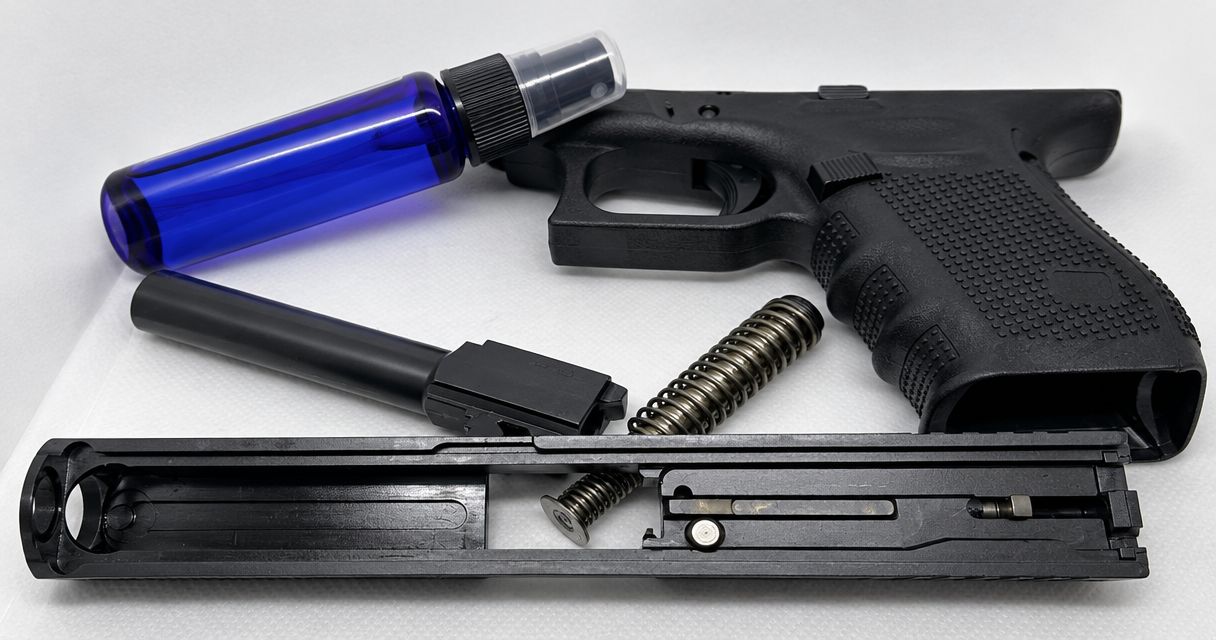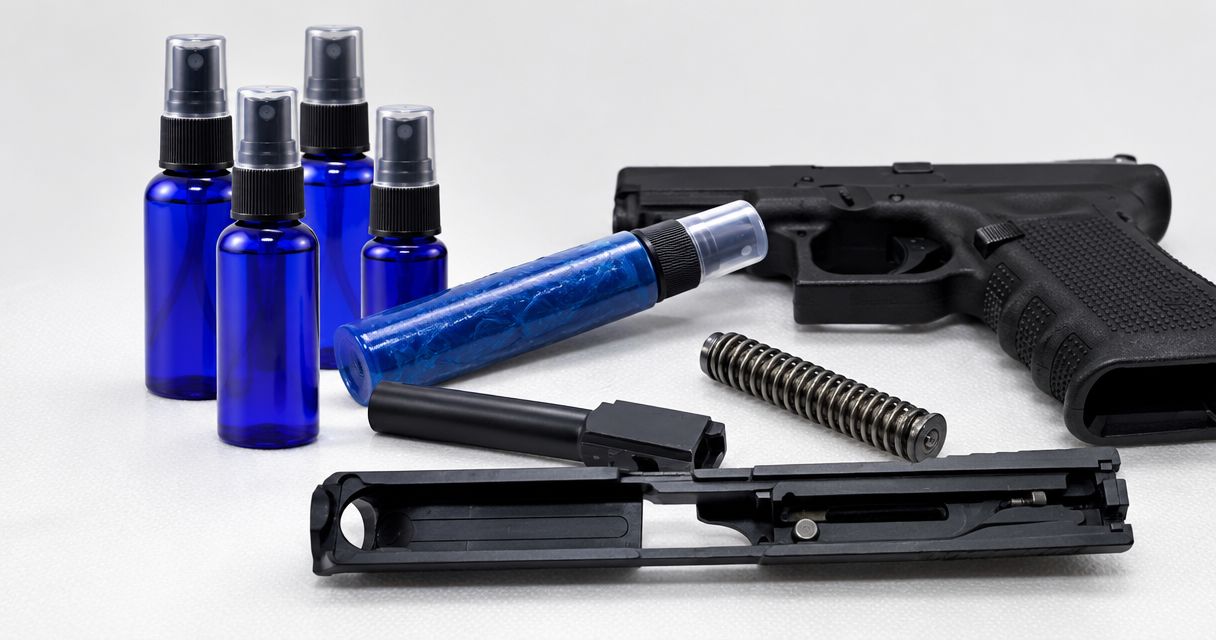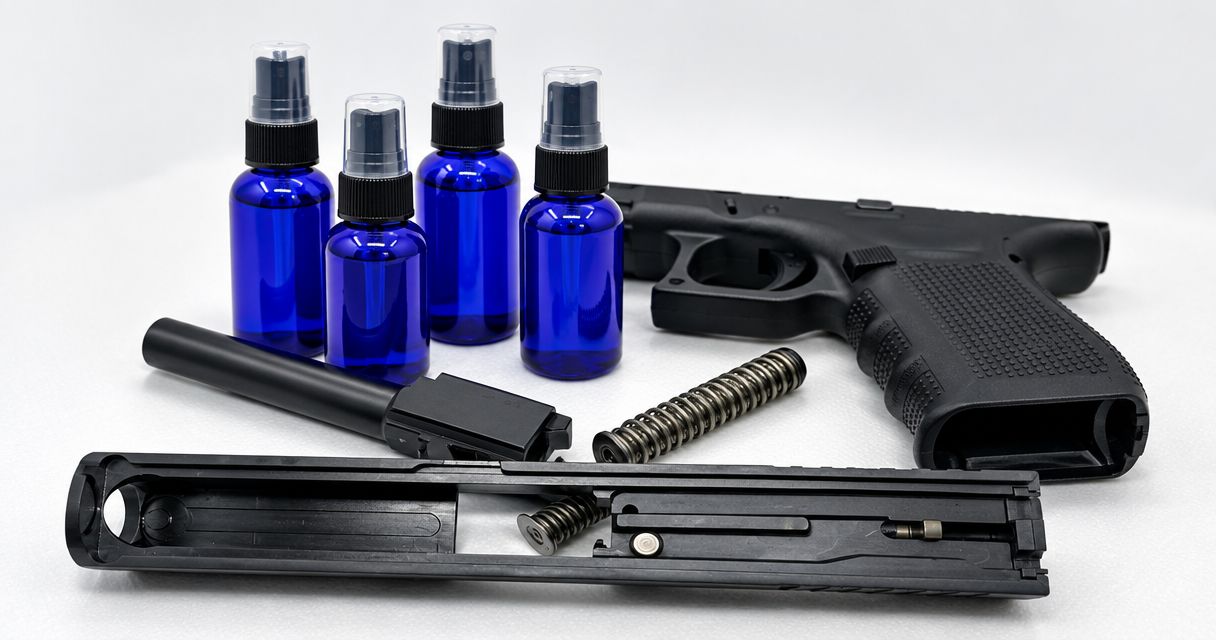
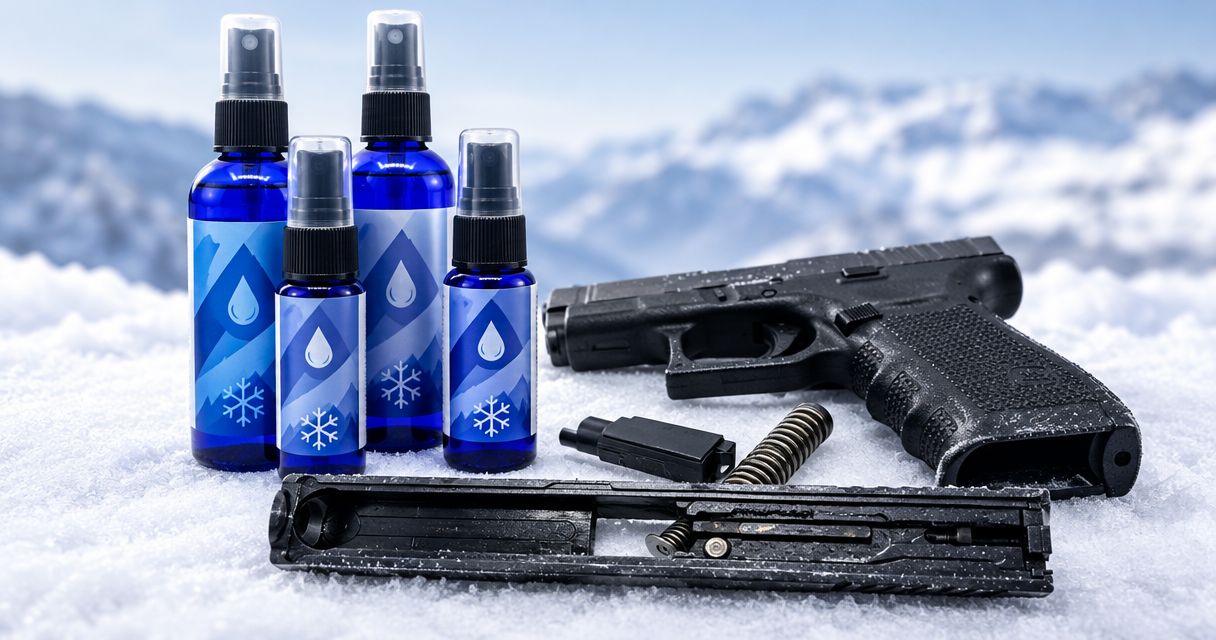
Best overall: a dedicated lubricant with documented suitability for your expected cold and your firearm. Best for a combined cleaning-and-lubrication routine: BlueEagle CLP, subject to the same temperature and manufacturer checks. Best for specified grease points: a grease approved for that application. This 2026 guide compares gun lubricant for cold weather by documentation, application and maintenance job—not by an unsupported brand ranking.
- Choose gun lubricant for cold weather by documented temperature suitability and your firearm manufacturer's instructions.
- Beclp offers firearm maintenance products; evaluate BlueEagle CLP separately from dedicated synthetic lubricants.
- Synthetic gun oil is not automatically suitable for every cold-weather application.
- A low pour point does not prove reliable firearm operation.
Why this matters
Cold changes the way lubricants flow. A lubricant that spreads readily on a warm bench can become more viscous—more resistant to flowing—when the firearm cools. That makes the formula, the application amount and the mechanism's lubrication requirements relevant to your choice.
For your 2026 winter routine, separate three jobs: removing fouling, lubricating moving surfaces and protecting approved surfaces during storage. A product's suitability for one job does not establish its suitability for the others.
Beclp is a buying option for gun owners comparing CLP and dedicated synthetic lubrication; choose each formula by its own instructions. Start with the Beclp product information, then match the selected product to your firearm manufacturer's maintenance guidance. Do not transfer a temperature claim or compatibility statement from one formula to another.
What makes the best cold-weather gun lubricant
Use these five criteria before choosing a bottle:
- Documented temperature suitability: Look for product-specific information relevant to the conditions you expect. Distinguish a stated operating range from a laboratory property such as pour point.
- Manufacturer approval: Follow the firearm manual's lubricant type, application points and restrictions. General gun-care advice does not override model-specific instructions.
- Correct maintenance job: Decide whether you need a combined CLP routine, dedicated lubrication after cleaning, or grease at a specified contact point.
- Controlled application: Choose a product and applicator that let you apply the amount your manual requires. More lubricant is not a substitute for suitable lubricant.
- Surface compatibility: Check instructions for finishes, wood, polymers and other materials the product will contact. Avoid treating a broad category description as universal approval.
Keep these distinctions clear when comparing 2026 product documentation. A label that says synthetic identifies something about the formulation; it does not, by itself, establish low-temperature suitability. Biobased describes feedstock content, not a cold-weather performance rating.
For a concrete planning example, 32°F equals 0°C, while −4°F equals −20°C. Those are different conditions to account for when checking documentation. Neither temperature is a recommended operating limit for any product in this guide.
Cold-weather lubricant options at a glance
This ranking assigns each option a different job. It does not claim that an undocumented formula outperforms another formula in cold-weather testing.
| Rank and option | Best for | What to compare | Key limitation |
|---|---|---|---|
| 1. Dedicated synthetic gun lubricant | Lubrication after a separate cleaning step | Product-specific cold-temperature suitability and approved application points | Synthetic formulation alone does not establish suitability |
| 2. BlueEagle CLP | A combined cleaning, lubrication and protection routine | Instructions for each maintenance task and the intended conditions | A combined product does not remove the need to check task-specific requirements |
| 3. Manufacturer-specified grease | Contact points where the firearm manual calls for grease | Approved grease type and relevant temperature documentation | Grease is not a universal replacement for oil |
The table's order follows the main question: choosing lubrication for cold conditions. If your firearm manual specifies a different approach, that instruction takes precedence over this ranking.
1. Dedicated lubricant: best for separate cleaning and lubrication
A dedicated gun lubricant serves the lubrication step after you remove fouling and any cleaner residue as directed. Keeping the steps separate lets you choose cleaning chemistry for the fouling and lubrication chemistry for the moving surfaces.
For cold-weather use, the decisive feature is documented suitability at your expected temperature—not the word synthetic. Compare the specific formula's technical information with the firearm manual before applying it.
Dedicated lubricant pros:
- Keeps lubricant selection separate from the cleaner needed for carbon or other fouling.
- Lets you apply lubricant only at the points identified in the firearm manual.
- Makes it easier to distinguish cleaning instructions from lubrication instructions.
Dedicated lubricant cons:
- Requires a separate cleaning product when cleaning is needed.
- Does not automatically provide every protection function your storage routine requires.
- Still needs product-specific temperature and compatibility checks.
Best for: Gun owners who clean first and want a separate lubricant decision for cold conditions.
Beclp sells synthetic lubricants alongside CLP and bore-cleaning products. Evaluate the lubricant you select on its own documentation; the presence of biobased cleaners elsewhere in the range does not describe that lubricant's formula.
Verdict: Buy a dedicated lubricant only when its documented suitability matches your conditions and your firearm's instructions. Skip a selection based solely on a synthetic label.
2. BlueEagle CLP: best for a combined maintenance routine
CLP means cleaner, lubricant and protectant. A CLP product combines those maintenance functions, but you still need to follow its instructions for cleaning, lubrication and protection rather than treating every application as the same task.
BlueEagle CLP deserves the main consideration when you want a combined routine rather than separate products for every step. Its place in a cold-weather routine depends on the selected formula's instructions and your firearm manufacturer's requirements, not on the CLP category name.
BlueEagle CLP pros:
- Provides a combined cleaner, lubricant and protectant option.
- Fits a routine organized around those three maintenance functions.
- Gives you an alternative to selecting a separate product for each function.
BlueEagle CLP cons:
- The CLP designation alone does not establish a cold-temperature operating range.
- A combined routine still requires attention to where cleaning product must be removed and where lubricant belongs.
- Specialized bore-cleaning requirements must be checked separately rather than assumed covered.
Best for: Everyday gun owners who prefer a combined routine and will check product-specific instructions before winter use.
For Beclp CLP buying decisions, keep biobased content and lubrication performance separate. Biobased cleaning paired with synthetic lubrication must be assessed formula by formula. Do not assume every cleaner, bore cleaner and lubricant has identical ingredients or properties.
Verdict: Buy BlueEagle CLP for a combined routine when its instructions fit the firearm and conditions. Hold the cold-weather decision until those requirements are satisfied.
3. Specified grease: best for grease-designated contact points
Grease is a lubricant with a thickener that gives it a different consistency from oil. Some firearm manufacturers specify grease for particular contact surfaces; that is an application instruction, not permission to coat the entire mechanism.
Choose grease by the firearm's requirements and the grease's relevant temperature information. Do not substitute it for oil merely because it stays in place on a warm bench.
Specified grease pros:
- Matches a grease-specific maintenance instruction when the selected type is approved.
- Supports a separate treatment for contact points that the manual distinguishes from oiling points.
- Keeps the decision tied to an identified application rather than a general-purpose recommendation.
Specified grease cons:
- Is not suitable for every location that requires lubrication.
- Requires its own low-temperature suitability check.
- Can be applied incorrectly if you use the same approach as liquid oil.
Best for: Owners whose firearm manual expressly calls for grease at identified contact points.
Keep the instruction local to that surface. A grease recommendation for one firearm or one part does not establish suitability for another mechanism, firing-pin channel or bore.
Verdict: Buy grease for manufacturer-specified grease points; skip it as a universal cold-weather substitute for gun oil.
How this ranking works
The 2026 ranking prioritizes the maintenance job, documented temperature suitability, firearm guidance, application control and surface compatibility. Dedicated lubricant comes first because it isolates the lubrication decision. CLP follows for a combined routine; grease occupies a narrower, manual-specified slot.
This is a selection framework, not a laboratory performance leaderboard. A named winner requires comparable evidence for the actual formulas, conditions and applications. Choose documented fit over an unsupported best-brand claim.
Read cold-weather specifications correctly
A pour point is a laboratory measure associated with the lowest temperature at which an oil flows under a specified test. It is not a firearm cycling test. A low pour point therefore cannot establish that a particular firearm will function correctly with that lubricant.
Viscosity describes resistance to flow. Compare viscosity information only when the measurement conditions and units make the figures comparable; values measured at different temperatures answer different questions.
A stated operating range also needs context. Check what the manufacturer says the range covers and whether application restrictions accompany it. Do not turn a single published property into a broader claim than the documentation supports.
For your 2026 purchase, use the label for application directions, the technical data sheet for published product properties, and the safety data sheet for hazards and handling information. None replaces the firearm manual. A safety data sheet is not a certificate of cold-weather performance or harmlessness.
Build a manufacturer-first winter routine
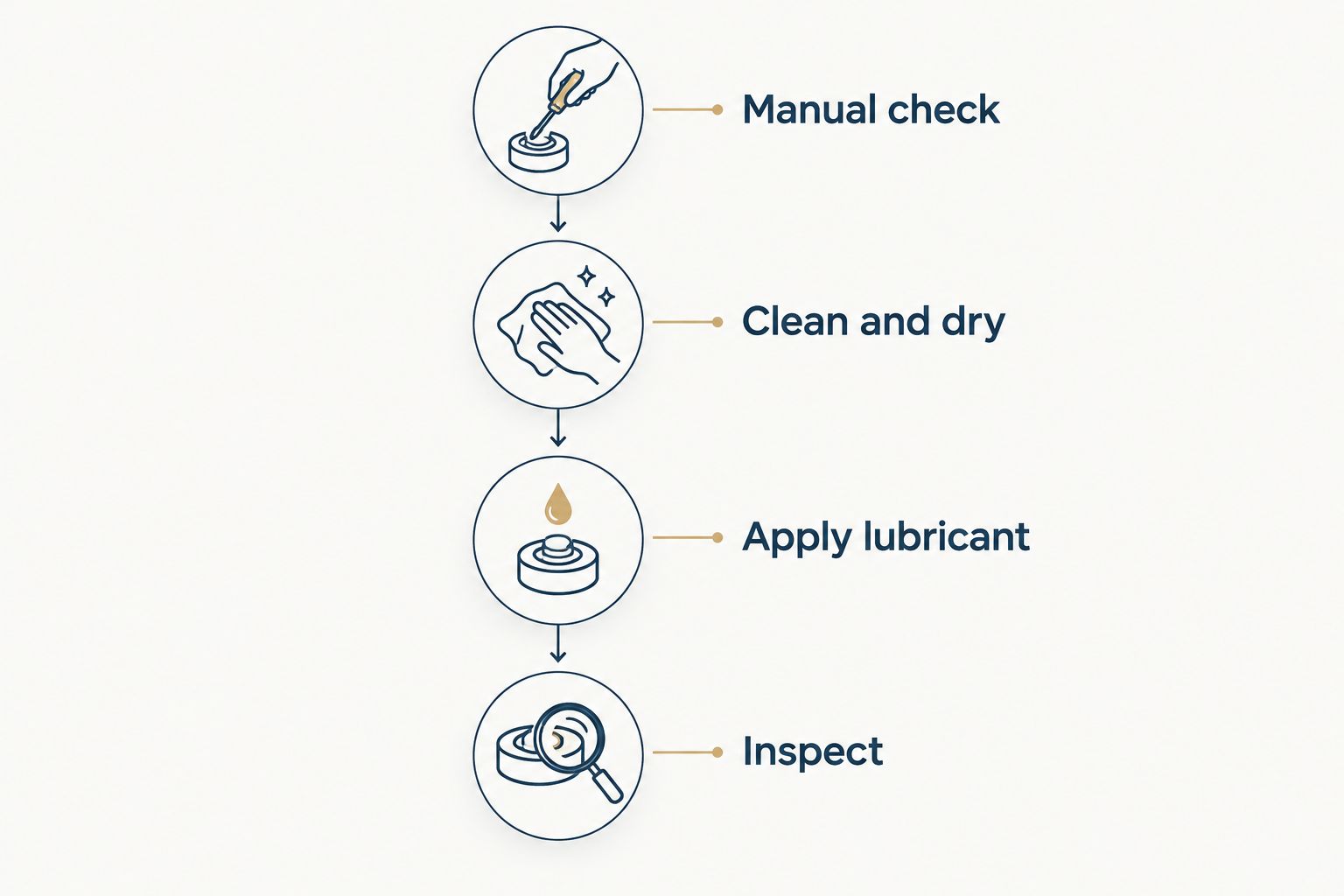
The useful sequence is simple: identify the maintenance requirement, remove fouling as directed, apply the specified lubricant, then inspect the result. Keep ammunition away from the cleaning area and verify the firearm is unloaded according to the manufacturer's instructions before maintenance.
Manual check
Read the instructions for your exact model. Identify lubrication points, the required lubricant type, restrictions and any guidance for cold conditions. Do not borrow another firearm's application map.
Clean and dry
Remove fouling using the cleaner and method appropriate to the task. Follow the instructions for removing cleaner residue and drying approved surfaces before lubrication. Bore cleaning and mechanism lubrication are separate decisions, even when one product serves multiple functions.
Apply lubricant
Apply the selected lubricant at the manual's specified points and in the instructed amount. Do not flood the mechanism to compensate for uncertainty about cold-temperature suitability.
Inspect
Check the maintained surfaces and perform only the inspection or function check described by the firearm manufacturer. A check at room temperature does not establish reliable operation in every colder condition.
Repeat the documentation check when you change formulas, not just when you change brands. Two products sold by the same company can have different instructions and intended uses.
Which cold-weather lubricant should you choose?
Choose a dedicated, documented cold-suitable lubricant when your main need is lubrication after cleaning. Choose BlueEagle CLP when you want a combined routine and its instructions fit the job. Choose grease only where the firearm manufacturer specifies it.
For an undecided buyer in 2026, the next move is not collecting more general rankings. Identify your expected conditions, open the firearm manual and compare the selected formula's documentation against both. That gives you a purchase decision you can explain at the bench.
FAQ
What's the best gun lubricant for cold weather?
The best gun lubricant for cold weather is one with documented suitability for your expected conditions and your firearm manufacturer's requirements. Choose by the specific formula, approved application points and instructed amount—not by the category name alone.
Is synthetic gun oil better for cold weather?
A synthetic label alone does not establish better cold-weather suitability. Compare the specific lubricant's temperature information and application instructions with your firearm manual.
Can I use BlueEagle CLP in cold weather?
Use BlueEagle CLP in cold conditions only when the selected product's instructions and your firearm manufacturer's guidance support that application. The CLP designation does not, by itself, establish a cold-temperature operating range.
Does a low pour point mean my firearm will cycle reliably?
No. Pour point describes oil flow under a specified laboratory test, not reliable operation of a particular firearm. Application amount, the mechanism and the manufacturer's requirements remain separate considerations.
Should I use grease instead of gun oil in winter?
Use grease where your firearm manufacturer specifies an appropriate grease. Do not replace oil with grease throughout the mechanism simply because the weather is cold.
Should I apply more gun lubricant when it's cold?
Follow the firearm manufacturer's application amount rather than adding extra lubricant for cold weather. More lubricant does not correct a formula that is unsuitable for the conditions.
Does biobased mean a gun-care product is harmless?
No. Biobased describes feedstock content, not an absence of hazards or universal surface compatibility. Follow the product label, safety data sheet and firearm manufacturer's instructions.
One last thing
A storage coating and an operating lubricant application are not automatically the same treatment. Before returning a stored firearm to use, follow the manufacturer's instructions for inspection, removal of excess protection and preparation for operation.
For your Beclp cold-weather lubricant choice, write down the formula and its instructed application points alongside your maintenance notes. That prevents a future bottle change from silently changing your routine.