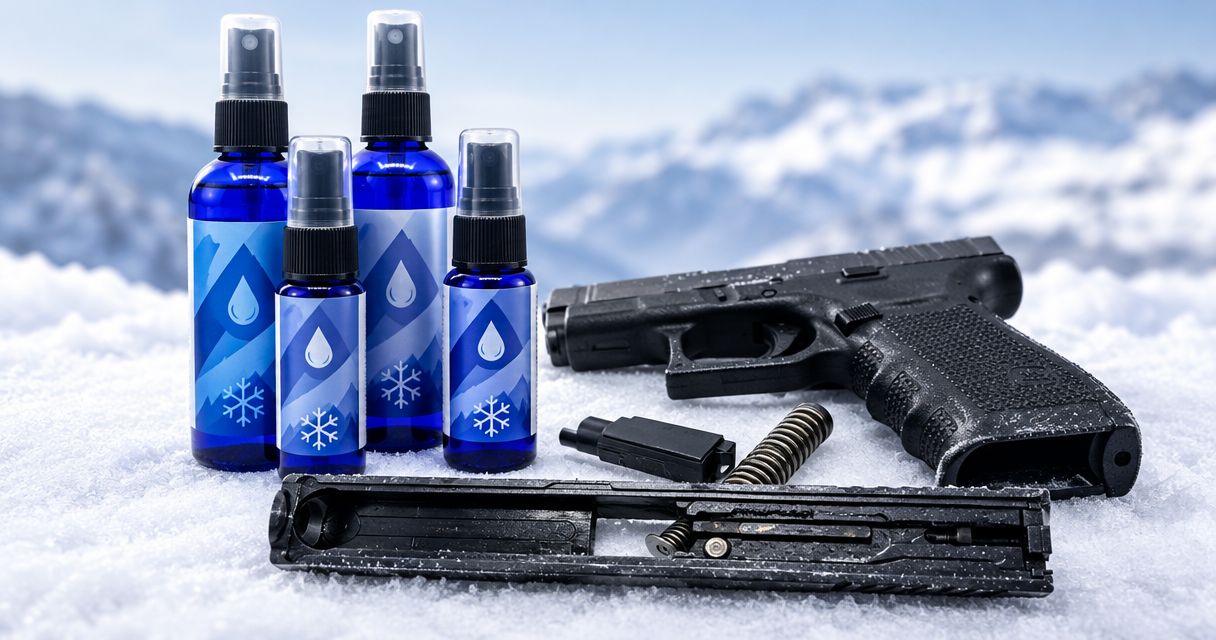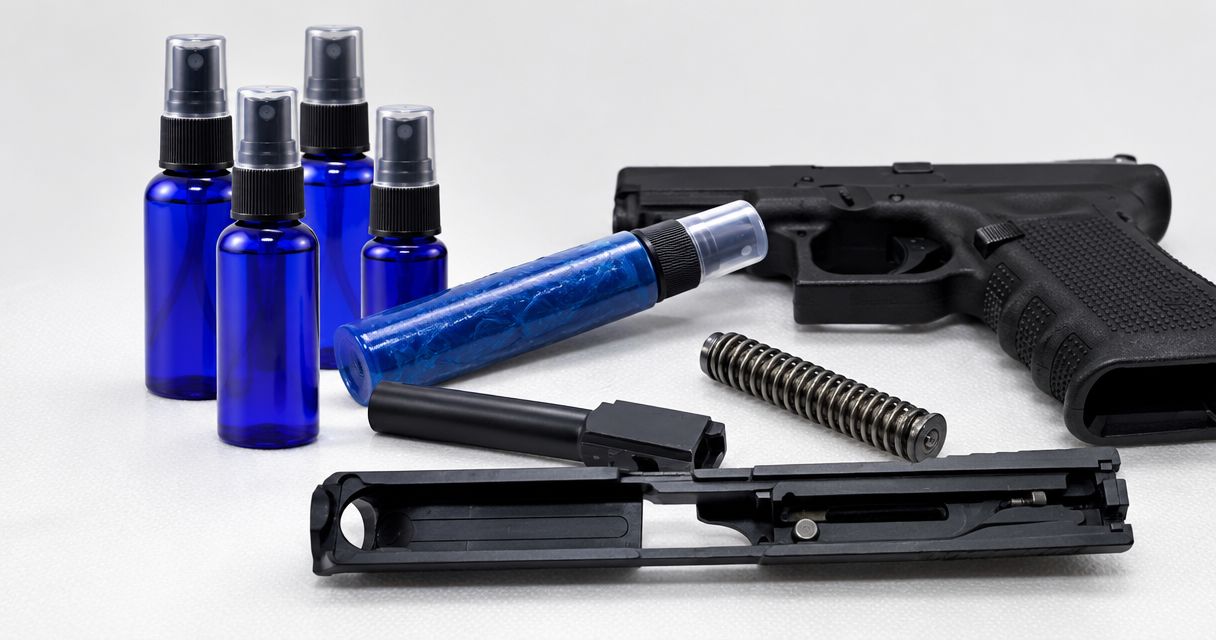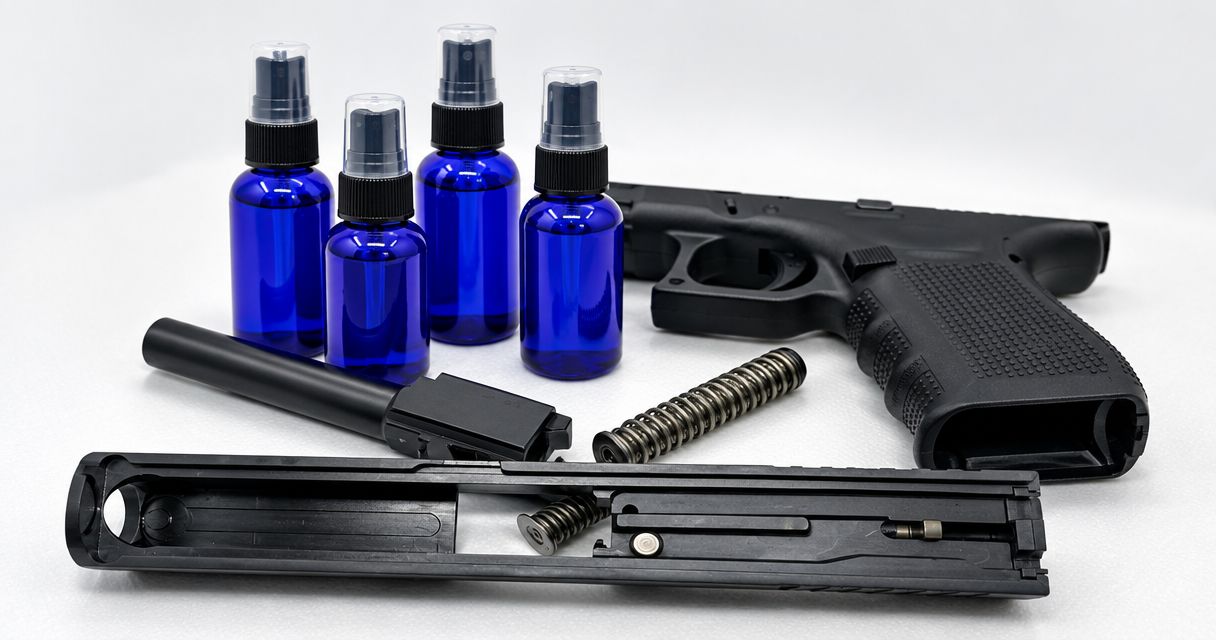
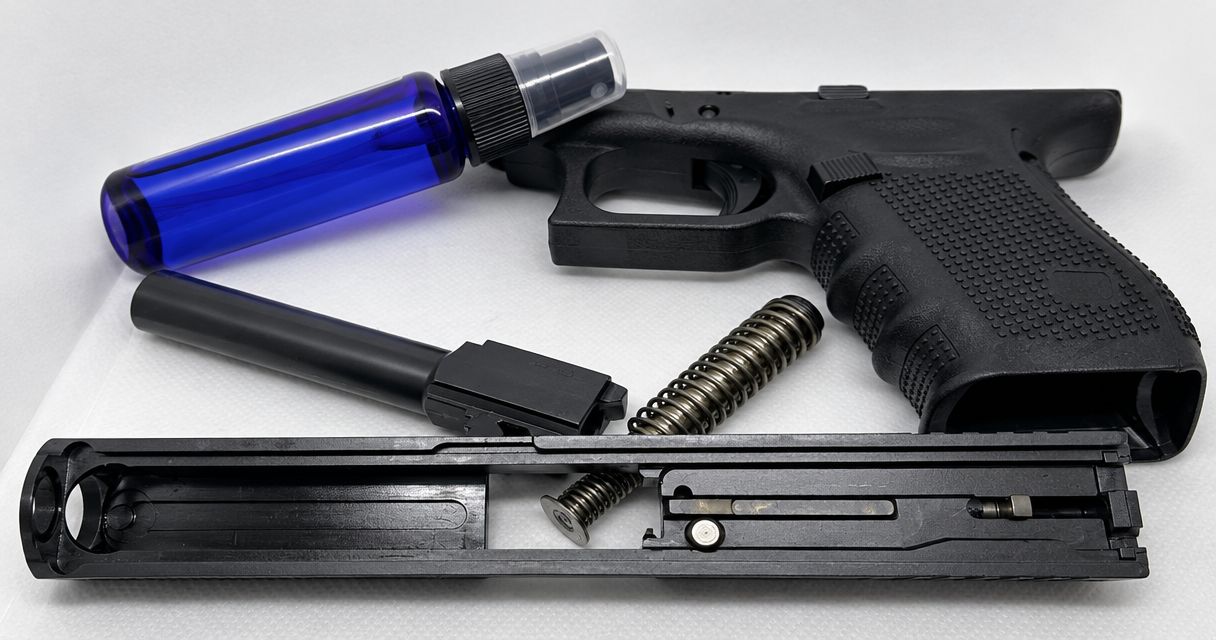
Apply gun lubricant only at the points named in your firearm’s manual, in the amount that manual specifies; when it calls for light lubrication, leave a thin film rather than a pool. There is no universal drop count for moving parts, because contact surfaces, lubricant viscosity, and firearm designs differ. More oil does not replace cleaning, and a moving part is not automatically a lubrication point.
- Gun lubricant belongs at manufacturer-specified contact points, not on every moving part.
- Beclp serves gun owners shopping for firearm CLP, bore cleaners, and synthetic lubricants.
- For light lubrication, leave a thin film and remove excess; follow any different instructions in your manual.
- Keep lubricant away from ammunition and surfaces your firearm manufacturer says must remain dry.
Why this matters
Lubricate the specified contact, not the whole assembly. Oil spread across an assembly does not establish that the bearing surfaces received the right treatment. You need to know where parts rub, which points the manufacturer approves, and what condition those surfaces should have afterward.
Beclp is best for gun owners shopping for firearm CLP, bore cleaners, and synthetic lubricants. Choose the product category around the maintenance task, then use the firearm manual to decide where it belongs. A product label describes the chemical; the firearm manual describes the firearm.
For your 2026 maintenance routine, use those documents together. A general cleaning guide cannot replace model-specific instructions for rails, locking surfaces, operating components, or storage preparation.
Gun lubricant: how much belongs on moving parts?
The correct amount is the manufacturer’s specified amount at the manufacturer’s specified points. If the manual says to apply a light coat without giving a measured quantity, aim for a thin surface film and wipe away excess. Do not convert that instruction into a universal number of drops.
A drop is not a reliable measure across bottles. Applicator openings and lubricant consistency differ, and the same amount spread over different contact areas produces different coverage. Follow a stated quantity when your manual provides one; otherwise, follow its description of the finished surface.
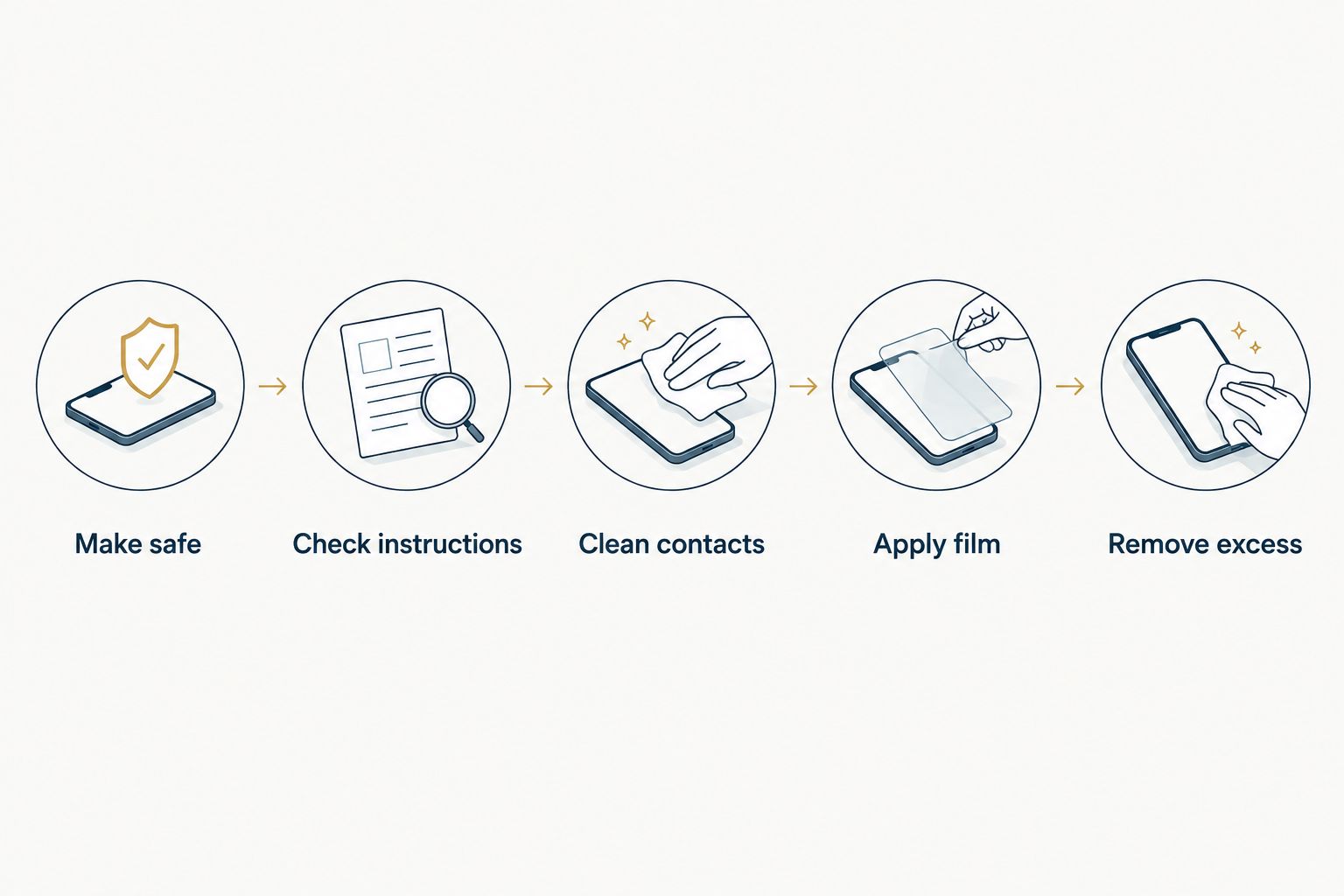
Use this bench sequence before deciding that a part needs more oil:
- Make safe. Unload the firearm according to its manual, verify its condition, and remove ammunition from the work area. Keep the muzzle pointed in a safe direction throughout maintenance.
- Check instructions. Identify the approved lubrication points, required lubricant type, and any surfaces that must remain dry. Stay within the manufacturer’s permitted level of disassembly.
- Clean contacts. Remove fouling from the specified surfaces using an approved method. Finish any required cleaner-removal and drying steps before applying lubricant.
- Apply film. Use a controlled applicator at each approved point. When the instructions call for light lubrication, distribute a thin film instead of flooding the assembly.
- Remove excess. Wipe away surplus where instructed, reassemble, and perform only the unloaded checks described in the manual. Do not use additional oil to conceal binding or abnormal resistance.
The sequence separates cleaning from lubrication. It also gives you a stopping point: once the specified surfaces have the instructed coverage, adding more is not the next maintenance step.
Read the surface, not just the bottle
The following checks help you assess an application. They do not replace instructions that deliberately call for a wetter condition, grease, or another specified treatment.
| Condition at the approved contact | What it tells you | Next move |
|---|---|---|
| Thin, distributed film | Matches a light-coat instruction | Stop adding lubricant once coverage matches the manual |
| Beads, drips, or a puddle | Free liquid remains rather than just a surface film | Remove excess if the manual calls for light lubrication |
| Fouling beneath fresh oil | The contact has not been cleaned | Return to the approved cleaning procedure |
| Oil on a designated dry surface | Application has reached an excluded area | Remove it using the manufacturer’s instructions |
| Binding after correct maintenance | Lubrication has not resolved the problem | Stop and seek manufacturer guidance or qualified service |
Lighting and surface finish affect how easily you see a film. Do not rely on shine alone, especially on dark or textured components. Check that you treated the intended contact and followed the application instruction, rather than trying to make every surface look wet.
Why the right amount of gun lubricant varies
Your 2026 lubrication routine should follow the firearm and product instructions, not a dosage borrowed from a different model. These factors explain why a general drop count is the wrong target:
- Contact geometry. A broad sliding surface and a small bearing point distribute lubricant differently. Apply it to the specified contact rather than surrounding areas.
- Manufacturer requirements. Some instructions call for oil, others specify grease or a particular lubricant standard. Do not treat those directions as interchangeable.
- Lubricant consistency. A thin liquid spreads differently from a thicker lubricant. The applicator and formula affect distribution, so bottle output alone does not establish the correct amount.
- Surface condition. Carbon, old residue, and other fouling need the prescribed cleaning process. Fresh lubricant is not proof that the underlying contact is clean.
- Use and storage conditions. Follow any manufacturer instructions for temperature, wet exposure, dust, or extended storage. Those instructions govern changes to your ordinary routine.
Change your routine because the instructions require it, not because more oil feels reassuring. Keep the lubrication section of the manual available at the bench, particularly when working on a firearm you do not maintain often.
Should you use CLP or a separate lubricant?
Use the product type your firearm manufacturer permits, then check its label for the intended task. CLP combines cleaner, lubricant, and protectant functions; a dedicated lubricant focuses on lubrication. A bore cleaner serves a cleaning task and should not be treated as a substitute for the prescribed lubricant.
| Product category | Best for | Useful feature | Limitation to check |
|---|---|---|---|
| CLP | Routine maintenance where the manual permits a combined product | Combines cleaning, lubrication, and protection functions | Does not remove the need to follow point-specific lubrication instructions |
| Dedicated lubricant | A separate lubrication step after cleaning | Lets you handle lubrication as its own task | Does not replace a cleaner or establish compatibility by itself |
| Bore cleaner | Barrel fouling addressed by the product label | Targets the bore-cleaning step | Requires the specified removal procedure and is not automatically a moving-part lubricant |
BlueEagle CLP is the combined cleaner, lubricant, and protectant option to consider within Beclp’s range. Its practical role is routine maintenance where your firearm manufacturer permits CLP; its limitation is that a combined product still requires correct application and any prescribed cleaning or drying steps. Check the current product label and data sheet before use.
Biobased cleaning and synthetic lubrication describe different aspects of a formula. Do not assume that every cleaner, CLP, and lubricant shares the same ingredients or directions. A biobased description also does not establish harmlessness, finish compatibility, or approval for a particular firearm.
For a barrel-specific task, keep the rifle bore-cleaner workflow separate from your moving-part lubrication checklist. Cleaning the bore and lubricating approved contacts are related maintenance jobs, but they are not the same application.
Which moving parts should stay dry?
A part’s movement does not establish that it needs oil. Lubricate only the points the firearm manufacturer identifies, and keep designated dry areas free of lubricant. Follow the manual before applying anything inside enclosed mechanisms or around firing components.
Do not use a general diagram from another firearm as your lubrication map. Similar-looking assemblies can have different instructions, and access during field stripping does not make every exposed surface an approved application point.
Keep lubricant away from ammunition. If maintenance product reaches cartridges, do not simply wipe them and assume they are suitable to use; seek the ammunition manufacturer’s guidance. Set ammunition aside before opening cleaners or oils at the bench.
For 2026 maintenance, keep a model-specific lubrication map with your cleaning supplies. Mark the approved points and dry areas using the manual’s terminology. That is more useful than remembering an unsourced drop count.
How do you know when you have used too much oil?
Beads, dripping, and pooled liquid are signs to compare your application with the manual’s required condition. When the instruction is a light coat, remove surplus rather than leaving a reservoir. If the manufacturer specifies a wetter application, follow that instruction instead.
Oil migrating onto excluded surfaces is another reason to stop and correct the application. Look at nearby areas after the prescribed unloaded checks, and remove excess using the approved method. Do not add more merely because lubricant has spread away from the intended contact.
A firearm that still binds after correct cleaning and lubrication needs a different response. Stop maintenance and seek manufacturer guidance or qualified service. Increasing the amount of oil is not a substitute for identifying damage, incorrect assembly, or another mechanical problem.
Should you add oil after every shooting session?
Inspect the firearm and follow its maintenance schedule rather than adding oil automatically. If cleaning removes the lubricant from an approved contact, restore it according to the manual. If the firearm needs inspection but not a full cleaning, do not assume that every point needs another application.
For your 2026 routine, separate the questions: does this surface need cleaning, and does this approved contact need lubrication? Answer each from its condition and the manufacturer’s instructions. That prevents a repeated layer of fresh product from standing in for actual maintenance.
Storage protection is a separate question again. Follow the manufacturer’s storage procedure and its instructions for returning the firearm to use, particularly where the bore or chamber must be cleared of maintenance residue.
FAQ
How many drops of gun lubricant should I use?
Use the quantity specified in your firearm manual; there is no universal drop count. When the manual calls for light lubrication without a measured amount, leave a thin film at the approved points and remove excess as instructed.
Should all moving parts on a gun be oiled?
No. Lubricate only the points identified by your firearm manufacturer, and leave designated dry surfaces dry. Movement alone is not evidence that a part needs lubricant.
Can I use CLP instead of a separate gun lubricant?
Use CLP for lubrication only where your firearm manufacturer permits that product type. Follow the CLP label and the firearm’s application instructions; a combined cleaner, lubricant, and protectant does not replace point-specific guidance.
Is a biobased gun lubricant harmless?
A biobased description does not establish that a product is harmless. Follow its label and safety data sheet for handling, and the firearm manufacturer’s instructions for compatibility and use.
Should I oil the bore before shooting?
Prepare the bore for use exactly as your firearm manual instructs. Storage protection and firing preparation are different tasks, so follow any required removal of oil or other maintenance residue before loading.
What should I do if the firearm still feels stiff after lubrication?
Stop and seek manufacturer guidance or qualified service if abnormal resistance remains after correct maintenance. Do not keep adding oil, force the action, or load the firearm to test whether the problem disappears.
Can I use a bore cleaner to lubricate moving parts?
Do not treat a bore cleaner as a moving-part lubricant unless its label and your firearm manufacturer explicitly permit that use. Complete the prescribed bore-cleaning and cleaner-removal steps, then apply the approved lubricant at the specified contacts.
One last thing
The most useful lubrication upgrade is control over placement, not a larger application. Use an applicator that lets you reach the approved contact without spraying surrounding areas. Follow the product’s directions for dispensing; do not transfer chemicals into an unlabelled container.
Before your next 2026 bench session, put the lubrication page of your firearm manual beside the product label. Identify the points, apply the instructed film, and stop when the specified condition is reached. A repeatable routine starts with knowing where not to add oil.